Self Ordering Kiosk is an innovative technological solution designed to streamline and improve the customer experience in various industries, especially in retail and hospitality. With increasing customer expectations for faster, more personalized services, traditional ordering methods are becoming less efficient. A self-ordering kiosk offers an automated, touch-screen interface that allows customers to browse a menu or product catalog, make selections, and place orders independently. These kiosks are a step forward in enhancing operational efficiency by reducing wait times, minimizing human error, and improving service quality. With the rapid adoption of digital technologies, self-ordering kiosks are quickly becoming integral to businesses looking to modernize their operations and meet the growing demand for convenience and speed. From fast food chains to grocery stores and beyond, self-ordering kiosks are changing the way businesses interact with their customers, allowing for faster transactions, more personalized experiences, and increased operational efficiency.
What is a Self Ordering Kiosk?
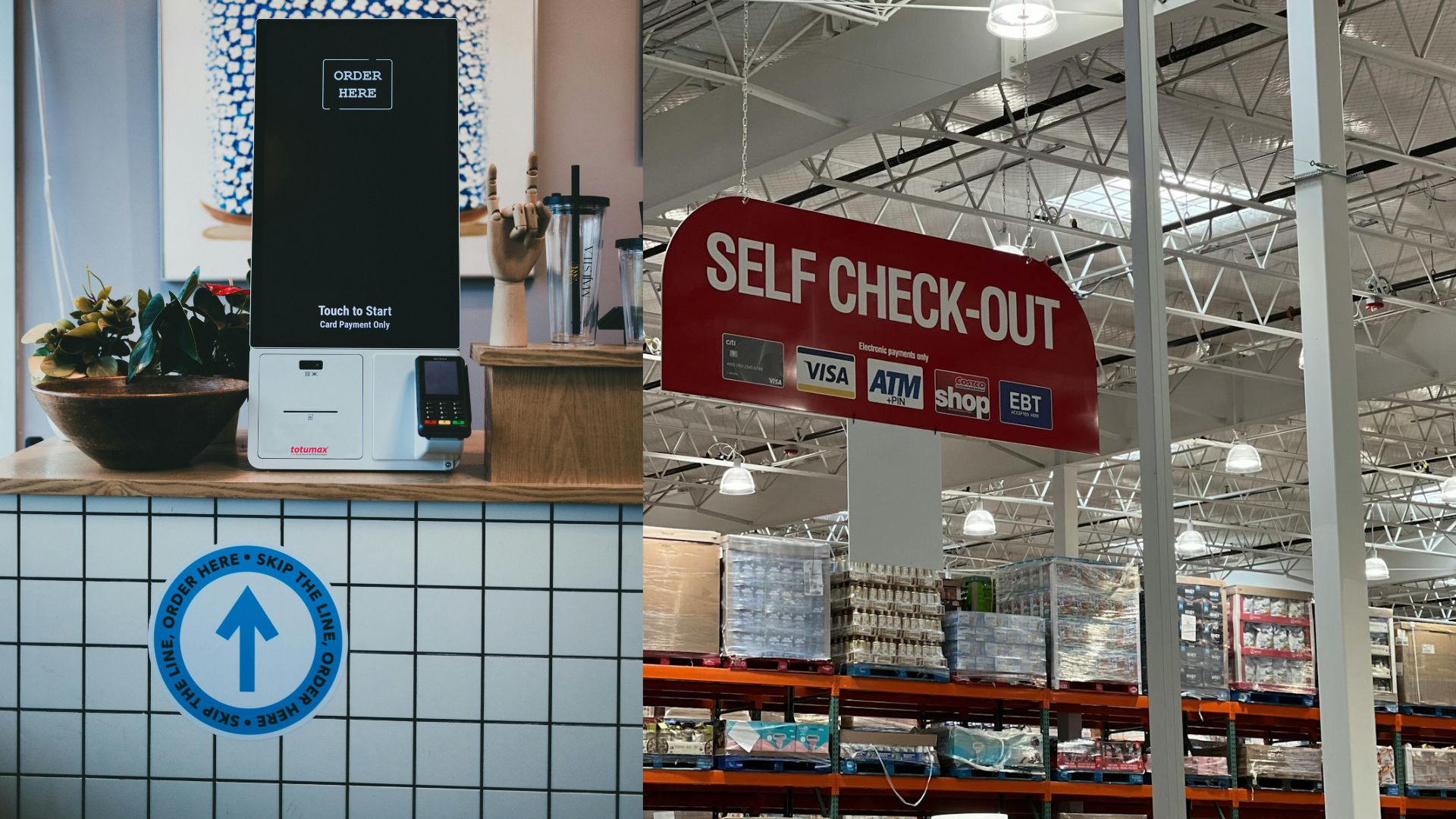
A Self Ordering Kiosk is an interactive, self-service device that allows customers to place orders independently, without the need for assistance from staff. These kiosks are typically equipped with a touch-screen interface, where customers can browse through a catalog of products, customize their orders, and make payments securely. They are often used in industries like food and beverage, retail, and entertainment. The kiosk allows users to choose items from a digital menu, select preferences (such as toppings or sizes), and complete payment either via credit card, mobile payment, or other digital methods. After placing the order, customers are often provided with a receipt or order number, which can be used for pickup or delivery.
Self-ordering kiosks not only enhance the customer experience but also improve operational efficiency by reducing lines, minimizing wait times, and freeing up staff to focus on other tasks. In addition to handling orders, many kiosks also gather valuable data on customer preferences, which can help businesses personalize future interactions and improve marketing strategies. As the adoption of self-service technology grows, self-ordering kiosks are increasingly seen as a vital tool in delivering a seamless and efficient service experience.
Why We Need Self Ordering Kiosk
The need for self ordering kiosks has become more pronounced in recent years due to several key factors, all of which are shaping the future of consumer behavior and business operations. One of the primary drivers is the demand for speed and convenience. With consumers becoming increasingly accustomed to digital interfaces in their everyday lives, they expect seamless, fast, and efficient service when they visit businesses. Self-ordering kiosks cater to this need by reducing wait times and allowing customers to place orders at their own pace, eliminating the need for lengthy queues or dependence on busy staff.
Additionally, labor shortages and the rising costs of staffing in industries like food service and retail make it increasingly difficult for businesses to maintain smooth operations. Self-ordering kiosks can alleviate this challenge by automating the order-taking process, reducing the need for front-line employees to handle every transaction. This leads to more efficient resource allocation and allows businesses to allocate labor to other crucial tasks, like food preparation or customer service, improving overall operations.
Self-ordering kiosks also offer contactless interaction, which has become more important in the post-pandemic era. In environments like fast food chains or grocery stores, customers prefer a touch-free, self-service experience for hygiene and safety reasons. By eliminating the need for physical contact with cashiers, kiosks ensure a safer, more hygienic process. Moreover, kiosks enable businesses to collect valuable customer data, including order preferences, purchasing patterns, and feedback, which can be leveraged to enhance marketing, product offerings, and overall customer satisfaction.
What are the Technologies Used in Self-Ordering Kiosk?
Self-ordering kiosks are powered by a combination of hardware and software technologies, designed to provide a seamless and interactive experience for customers. On the hardware side, kiosks typically feature high-quality touchscreen displays for user interaction, offering an intuitive interface that guides customers through the ordering process. The screens are responsive and often designed to be durable and resistant to wear and tear in high-traffic environments. These kiosks also integrate payment processing systems, which support various payment methods, including credit/debit cards, mobile wallets, and contactless payment options.
Behind the scenes, software is the backbone of self-ordering kiosks, enabling businesses to customize the user experience and manage the flow of orders. The software is designed to be user-friendly and provides customers with the ability to navigate menus, customize products, and make payments with ease. It can be integrated with Point of Sale (POS) systems to ensure that orders are transmitted accurately to kitchen staff or inventory management systems. In many modern kiosks, AI-powered features like voice recognition or chatbots may be incorporated to further enhance the interaction and assist with order customization.
Cloud computing and data analytics are increasingly becoming integral to self-ordering kiosk systems. Cloud-based infrastructure allows kiosks to sync with central systems in real-time, enabling businesses to monitor sales, inventory, and customer behavior remotely. Data analytics tools provide businesses with insights into customer preferences, helping them optimize menus, pricing, and promotions based on real-time data. In some cases, kiosks can also integrate with CRM (Customer Relationship Management) software, allowing businesses to offer personalized recommendations based on past orders or preferences.
Applications of Self Ordering Kiosk
Self ordering kiosks have broad applications across multiple industries, providing businesses with innovative solutions to improve customer experience, streamline operations, and increase profitability. One of the most prominent applications is in the food and beverage industry, where self-ordering kiosks are widely used in fast food chains, casual dining restaurants, and cafes. Customers can use the kiosk to browse digital menus, customize their meals, and complete the payment process independently. This reduces the need for human interaction, speeds up the ordering process, and minimizes errors in order-taking, making it particularly valuable in high-traffic settings.
In retail, self-ordering kiosks are transforming the shopping experience by allowing customers to browse product catalogs, check inventory, and place orders for pickup or delivery. In stores that do not have extensive stock on the floor, kiosks provide customers with an easy way to access a broader range of products. Additionally, kiosks can be used for interactive marketing in retail environments, displaying promotions, special offers, and loyalty rewards to encourage customer engagement and drive sales.
The grocery sector has also embraced self-ordering kiosks, allowing shoppers to quickly scan barcodes, add products to their cart, and make payments without waiting in long checkout lines. Hospitals, airports, and hotels use kiosks for self-check-in, information retrieval, and ordering food or services, providing a contactless and efficient experience for visitors. These kiosks not only save time but also reduce the workload of staff, enabling them to focus on more critical tasks.
Overall, self-ordering kiosks are versatile tools that can be tailored to various business needs. Their ability to speed up transactions, increase customer satisfaction, and streamline operations makes them an indispensable part of modern customer–facing environments.
Totumax for Self Ordering Kiosk
Totumax has emerged as a leading provider of cutting-edge solutions for the self ordering kiosk market, offering state-of-the-art devices that enhance the customer experience while streamlining operations for businesses. Totumax’s self-ordering kiosks integrate advanced technology to provide intuitive user interfaces, seamless payment processing, and real-time order management. These kiosks are designed to be fully customizable, allowing businesses to adapt them to their specific requirements, whether in fast food restaurants, retail stores, or service environments like airports or hospitals.
Totumax’s self-ordering kiosks are equipped with high-definition touchscreens, advanced payment gateways, and integration capabilities with Point of Sale (POS) systems, making the order process fast, secure, and efficient. The kiosks feature user-friendly interfaces that are easy to navigate, even for customers who may not be tech-savvy. Businesses can personalize the experience with branded graphics, product recommendations, and promotional offers that are tailored to each customer, improving engagement and driving sales.
Totumax also integrates cloud-based solutions into their kiosks, enabling real-time data synchronization across devices and providing businesses with valuable insights into customer preferences, order patterns, and inventory management. The ability to monitor and manage kiosks remotely allows companies to adjust menus, update pricing, and optimize promotions in real-time, improving operational flexibility and responsiveness.
With a focus on reliability, security, and ease of use, Totumax’s self-ordering kiosks are ideal for companies looking to improve efficiency, reduce labor costs, and enhance customer satisfaction. As businesses increasingly seek automation and digital solutions, Totumax continues to provide innovative, future-proof self-ordering kiosks that are perfectly suited to the demands of modern commerce.