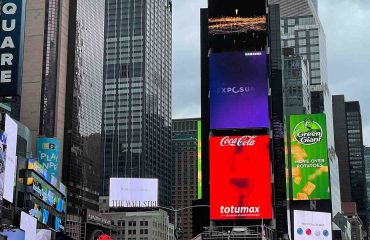


LED displays for restaurants, In today’s competitive restaurant industry, offering exceptional dining experiences goes beyond just the quality of food and service. The ambiance, the ease of ordering, and even how information is communicated to customers play a significant role in shaping their overall experience. One of the most powerful tools restaurants can leverage to enhance these elements is LED displays.
LED (Light Emitting Diode) technology has rapidly evolved over the past decade, providing businesses with cost-effective, energy-efficient, and visually appealing ways to engage customers. For restaurants, LED displays offer a wide array of possibilities—from digital menus and interactive ordering systems to marketing and advertising solutions. In this article, we will explore the many benefits of LED displays for restaurants, their diverse applications, and the factors to consider when integrating them into your establishment.
The Advantages of LED Displays for Restaurants
Before diving into the various uses of LED displays in restaurants, it’s important to understand the distinct advantages they offer over traditional signage and other display technologies.
1. Energy Efficiency
One of the standout benefits of LED displays is their energy efficiency. LED technology consumes significantly less power than traditional display technologies, such as LCD or incandescent bulbs. This translates to lower electricity bills, which can be especially beneficial for restaurants that operate long hours. Given that restaurants often have lights and displays running continuously throughout the day, opting for LED displays can result in considerable energy savings over time.
2. Longer Lifespan
LED displays are known for their durability and long lifespan. High-quality LED panels can last tens of thousands of hours, often outlasting other types of displays by several years. This is an important factor for restaurants, as it minimizes the frequency of replacements and reduces maintenance costs. Additionally, LEDs are less prone to damage from environmental factors such as heat or humidity, which makes them ideal for kitchen areas or outdoor settings.
3. Bright and Vibrant Colors
LED displays are renowned for their brightness and color quality. Whether you want to showcase your restaurant’s menu, highlight daily specials, or create an immersive atmosphere with ambient lighting, LED technology can produce bright, vivid colors that grab attention and engage customers. The display’s clarity ensures that text, images, and videos are easy to read and view from a distance, enhancing the customer’s ability to interact with your messaging.
4. Customization and Flexibility
LED displays can be easily customized to meet the specific needs of a restaurant. Whether it’s a single digital menu board or an array of large-format screens, LED technology is highly versatile. Digital displays can be programmed to show static images, scrolling text, or even dynamic video content. This adaptability allows restaurants to rotate content, display different menu items at different times of the day, and adjust marketing messages to suit the current dining environment or special promotions.
5. Interactive and Engaging Features
Modern LED displays offer touch functionality, enabling interactive features that can enhance the dining experience. For instance, digital menus can allow customers to browse food items, view detailed descriptions, and even place their orders directly from the screen. Interactive displays can also be used for customer feedback, trivia, or social media integration, providing an engaging experience that goes beyond passive viewing.
6. Space Optimization
In many restaurants, space is at a premium, and displaying traditional printed menus or signage can clutter the environment. LED displays can provide a sleek and modern alternative, offering a space-saving solution for both indoor and outdoor settings. Digital menu boards can eliminate the need for physical printouts, allowing restaurant owners to update offerings on the fly and maintain a clean, organized appearance.
Applications of LED Displays in Restaurants
LED displays have a wide range of uses in the restaurant industry. Below are some of the most popular and impactful applications:
1. Digital Menu Boards
Perhaps the most common use of LED displays in restaurants is as digital menu boards. These dynamic displays allow restaurant owners to showcase their menu items with clear images, prices, and descriptions in real-time. With digital menu boards, restaurants can easily update their offerings to reflect new items, promotions, or daily specials, ensuring that the menu is always current.
For fast food restaurants, food courts, or quick-service establishments, LED digital menu boards can streamline the ordering process by clearly communicating menu choices to customers. In fine dining establishments, digital menu displays can be used to showcase high-quality images of signature dishes, making the menu more visually appealing.
Additionally, digital menu boards can be programmed to display personalized content based on factors such as time of day, inventory levels, or customer demographics. For example, a restaurant might highlight breakfast items in the morning, switch to lunch offerings in the afternoon, and then feature dinner specials in the evening.
2. Interactive Ordering Systems
LED displays are also ideal for creating interactive ordering systems. These systems can be installed at kiosks or table-side devices, allowing customers to browse the menu, place orders, and even pay for their meals without the need for a server. Interactive ordering systems streamline the ordering process, reduce wait times, and allow customers to customize their orders according to their preferences.
This type of system can be particularly beneficial for large or busy restaurants where staff might be overwhelmed with orders. Interactive displays also reduce the possibility of human error in order taking, ensuring that customers receive exactly what they request.
In addition to food ordering, interactive displays can also collect customer data, such as preferred dishes, dietary restrictions, and order history, which can be used to tailor future visits or offer personalized promotions.
3. Digital Signage for Marketing and Promotions
LED displays serve as powerful tools for marketing and promotion. Restaurants can use digital signage to advertise upcoming events, happy hours, new menu items, or seasonal promotions. Digital displays offer a level of flexibility that traditional print ads or posters simply can’t match. Content can be changed quickly and easily to reflect the latest offerings or time-sensitive deals.
For example, a restaurant might use a large LED screen at the entrance to promote a special event like a live music performance, or display visually engaging content on food preparation, chef interviews, or behind-the-scenes footage. In addition to static advertising, restaurants can use video and animation to capture attention and create an immersive marketing experience.
Moreover, LED displays can integrate with social media platforms to showcase customer reviews, photos, or hashtags, further boosting the restaurant’s visibility and engagement. By providing real-time updates, LED signage can also keep customers informed about wait times, table availability, or the status of their orders.
4. Queue Management and Order Status Displays
In busy restaurants, managing the flow of customers is essential for providing an efficient and smooth dining experience. LED displays can be used for queue management, allowing customers to view their place in line or receive updates on their table’s availability. For restaurants that rely on reservations or have a waitlist, digital displays can help keep customers informed and reduce the perceived wait time.
Additionally, LED displays in the kitchen or order preparation areas can be used to display order statuses. For example, a display could show the progress of a customer’s order, such as “preparing,” “cooking,” and “ready for pickup.” This helps both staff and customers stay on the same page and ensures smooth communication.
5. Ambient Lighting and Atmosphere Enhancement
LED displays are not just limited to showing menus and marketing content—they can also play a role in enhancing the ambiance of a restaurant. LED screens can be integrated into the restaurant’s interior design, providing lighting effects or creating a unique atmosphere through dynamic, color-changing displays. This is particularly common in restaurants that focus on creating a visually stimulating or immersive experience for customers.
For example, an upscale dining restaurant might use LED displays to simulate the look of a fireplace or provide calming visuals to enhance the dining atmosphere. In contrast, a trendy or casual restaurant might use LED displays to show lively, upbeat visuals or even local sports games to entertain customers while they dine.
Factors to Consider When Choosing LED Displays for Restaurants
While the benefits of LED displays are clear, there are several important factors to consider when selecting the right LED displays for your restaurant. Here are a few key considerations:
1. Size and Placement
The size and placement of the LED display are crucial for maximizing visibility and impact. Large-format displays may be best suited for wall-mounted digital menu boards or signage that needs to capture attention from a distance. Smaller displays might be appropriate for tabletop ordering systems or interactive kiosks.
Consider the layout of your restaurant and determine where customers will most likely engage with the display. Additionally, make sure that the display is positioned at eye level and is visible to both staff and customers.
2. Resolution and Quality
The resolution of an LED display affects the clarity and sharpness of the content. Higher-resolution displays are especially important for showing detailed images, such as menu items or food photos. For large displays, opt for high-definition resolution to ensure that the content remains crisp and legible even from a distance.
Additionally, choose displays that offer good color accuracy, as vibrant, true-to-life colors are essential for engaging customers and accurately representing your food offerings.
3. Durability and Weather Resistance
Restaurants in high-traffic areas or those with outdoor seating will need to choose LED displays that are durable and weather-resistant. Look for displays with high IP (Ingress Protection) ratings to ensure they can withstand exposure to dust, moisture, or heat. Outdoor LED displays should also be bright enough to remain visible in direct sunlight.
4. Ease of Use and Content Management
Managing content on an LED display should be as easy as possible. Look for systems that offer intuitive software for updating and scheduling content. Ideally, you should be able to manage your displays remotely, allowing you to update menus, promotions, and other content in real-time without needing to physically interact with the displays.
5. Cost and ROI
LED displays can be a significant investment for restaurants, so it’s essential to consider the return on investment (ROI). While the initial cost might be high, the long-term benefits in terms of energy savings, reduced maintenance costs, and increased customer engagement can make LED displays a smart investment.
LED displays are revolutionizing the restaurant industry by providing an innovative and efficient way to engage customers, streamline operations, and enhance the overall dining experience. From digital menu boards and interactive ordering systems to dynamic marketing and ambient lighting, the possibilities are vast. By carefully considering factors such as display size, resolution, durability, and content management capabilities, restaurant owners can make informed decisions that will elevate their business and improve customer satisfaction. As technology continues to evolve, LED displays will undoubtedly remain a powerful tool for driving success in the restaurant industry.
Totumax offers cutting-edge LED display solutions that are ideal for restaurants looking to enhance customer experiences and streamline operations. With their energy-efficient, long-lasting, and vibrant displays, Totumax’s products are designed to help restaurants create dynamic and engaging environments. Whether it’s digital menu boards, interactive ordering systems, or digital signage for promotions, Totumax’s LED displays provide high-quality visuals that grab attention and increase customer engagement.
Totumax’s LED displays are known for their superior brightness and color accuracy, making them perfect for showcasing menu items, daily specials, or creating immersive atmospheres in restaurants. Their displays are highly customizable, allowing restaurant owners to easily update content, rotate promotions, or highlight different menu items throughout the day. Additionally, Totumax’s interactive displays enable customers to place orders directly from the screen, reducing wait times and improving overall service efficiency.
With a focus on durability and energy efficiency, Totumax’s LED displays are built to withstand the demands of a busy restaurant environment. Their long lifespan reduces maintenance costs, while energy-saving features lower operational expenses, making them a smart investment for restaurants. Furthermore, Totumax’s displays are designed for both indoor and outdoor use, ensuring they remain functional and visible in various conditions, from bustling dining rooms to outdoor patios.
By integrating Totumax LED displays, restaurants can improve communication with customers, streamline order management, and create an inviting atmosphere that boosts customer satisfaction. Whether for menu presentation, advertising, or enhancing the ambiance, Totumax provides innovative solutions that cater to the diverse needs of the modern restaurant industry.